
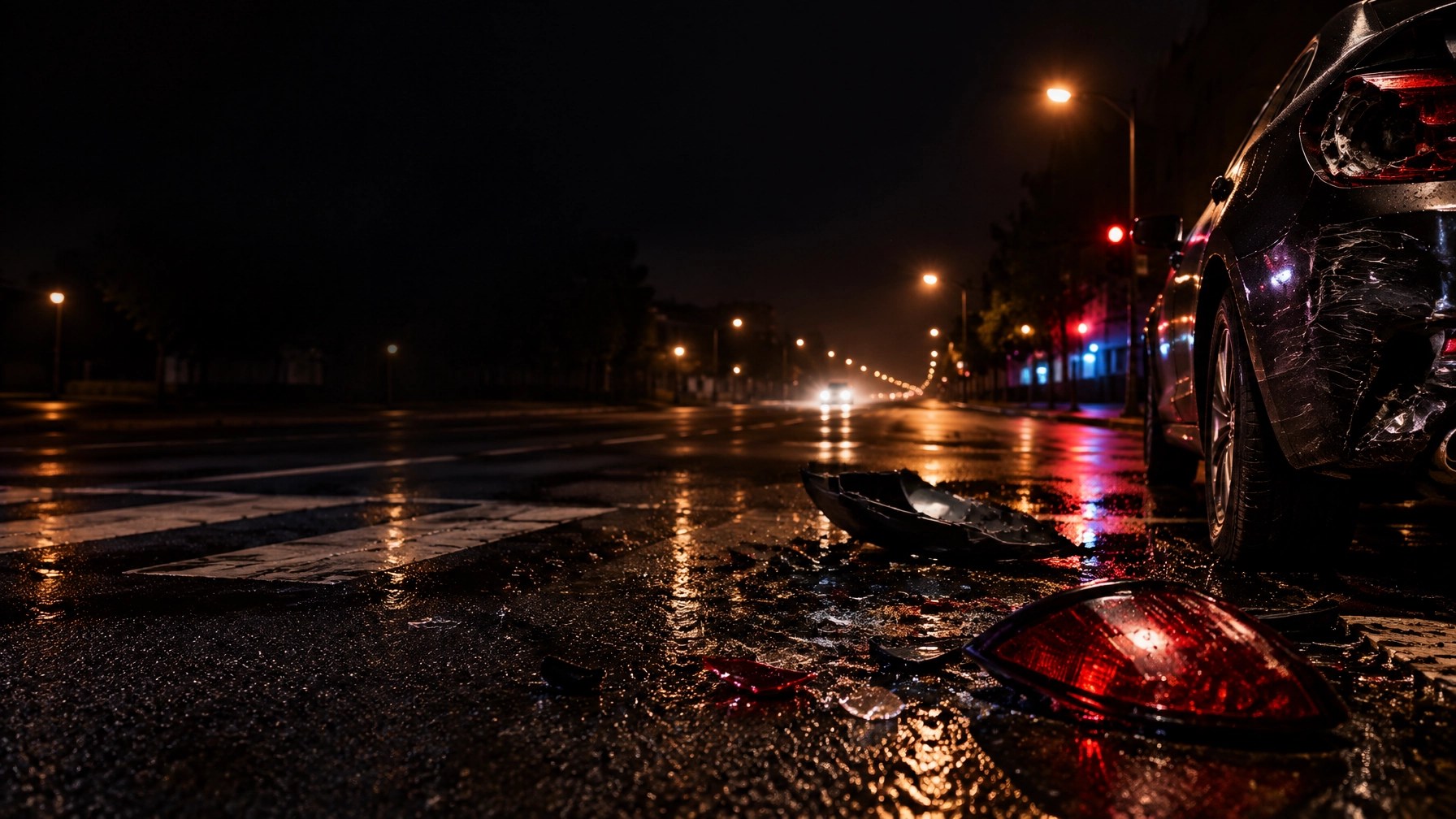
You hear the impact. You feel the force. Then, before you can process what happened, the other vehicle is gone.
No insurance information. No explanation. No accountability.
Only damage, confusion, unanswered questions: and the terrible realization that the person who caused the crash may never be identified.
Hit-and-run crashes are not minor inconveniences. They can leave victims facing serious injuries, expensive repairs, lost wages, insurance disputes, and lasting emotional distress. And the national data shows the problem remains deeply troubling.
The Hit-and-Run Problem Is Larger Than Most People Realize
According to the AAA Foundation for Traffic Safety, fatal hit-and-run crashes reached a record high in 2022:
- 2,972 people died in hit-and-run crashes in 2022.
- 2,872 people died in 2023.
- Hit-and-run crashes accounted for approximately 7% of all traffic fatalities, the highest percentage ever recorded.
- More than 900,000 police-reported crashes in 2023 involved a driver who fled.
- That represents approximately 15% of all police-reported crashes.
- Hit-and-run crashes caused more than 240,000 injuries in 2023.
- Approximately 77.3% of deadly hit-and-run crashes occur in dark conditions.
The decline from 2,972 deaths in 2022 to 2,872 in 2023 does not make the situation safe. Nearly 2,900 lives were still lost in a single year. And the percentage of all traffic fatalities attributed to hit-and-run crashes remains at a historic level.
The problem is not going away.
🚨 Did You Know?
Pedestrians and cyclists are disproportionately affected. In 2023, approximately one in four pedestrian and cyclist fatalities or injuries involved a hit-and-run crash.
When a driver flees after striking someone who has no protection beyond a bicycle helmet or a pair of shoes, the consequences can be catastrophic. Darkness, poor visibility, limited witnesses, and fast-moving traffic make these crashes especially difficult to investigate.
But “difficult” does not mean “impossible.”
Why Do Drivers Flee the Scene?
There is no acceptable excuse for leaving an injured person behind. Yet crash investigations repeatedly identify several common reasons drivers run:
- Intoxication or impairment
A driver may flee because remaining at the scene could lead to DUI charges, license suspension, or enhanced criminal penalties. - No valid driver’s license
Some drivers are operating without a valid license or are driving while suspended or revoked. - No insurance
Fear of being financially responsible: or being exposed as uninsured: can trigger panic. - A prior criminal record or outstanding warrants
For some offenders, a traffic crash creates the risk of exposing unrelated criminal conduct. - Panic and poor judgment
A driver may not plan to flee. They may simply react irrationally in the first moments after impact.
None of these explanations changes the victim’s reality. The injured person remains at the scene. The vehicle damage remains. The medical bills remain. The fear remains.
Hit-and-run is a crime in all 50 states, although the precise definitions, reporting requirements, and penalties vary by jurisdiction. Depending on the facts, a fleeing driver may face criminal charges, civil liability, license consequences, restitution, and: in serious cases: felony prosecution.
The Pain Does Not End When the Police Report Is Filed
Victims are often told to contact law enforcement and their insurance carrier. Those are important first steps. But many people discover that a report alone does not identify the driver.
The frustration can be overwhelming:
- You remember only part of the license plate.
- You saw the vehicle’s color but not its make or model.
- The crash happened at night.
- The nearest camera was mounted on a private building.
- Witnesses left before officers arrived.
- The vehicle may already be in a repair facility.
- Your insurer asks for documentation while you are still trying to understand what happened.
- You may need to file an uninsured motorist claim without knowing who caused the crash.
How are you supposed to prove what happened when the person responsible disappeared?
This is where an experienced private investigator can add meaningful investigative support.
How a Private Investigator Can Help Find the Driver
A professional accident investigation is not guesswork. It is a structured effort to locate, preserve, corroborate, and analyze evidence before it disappears.
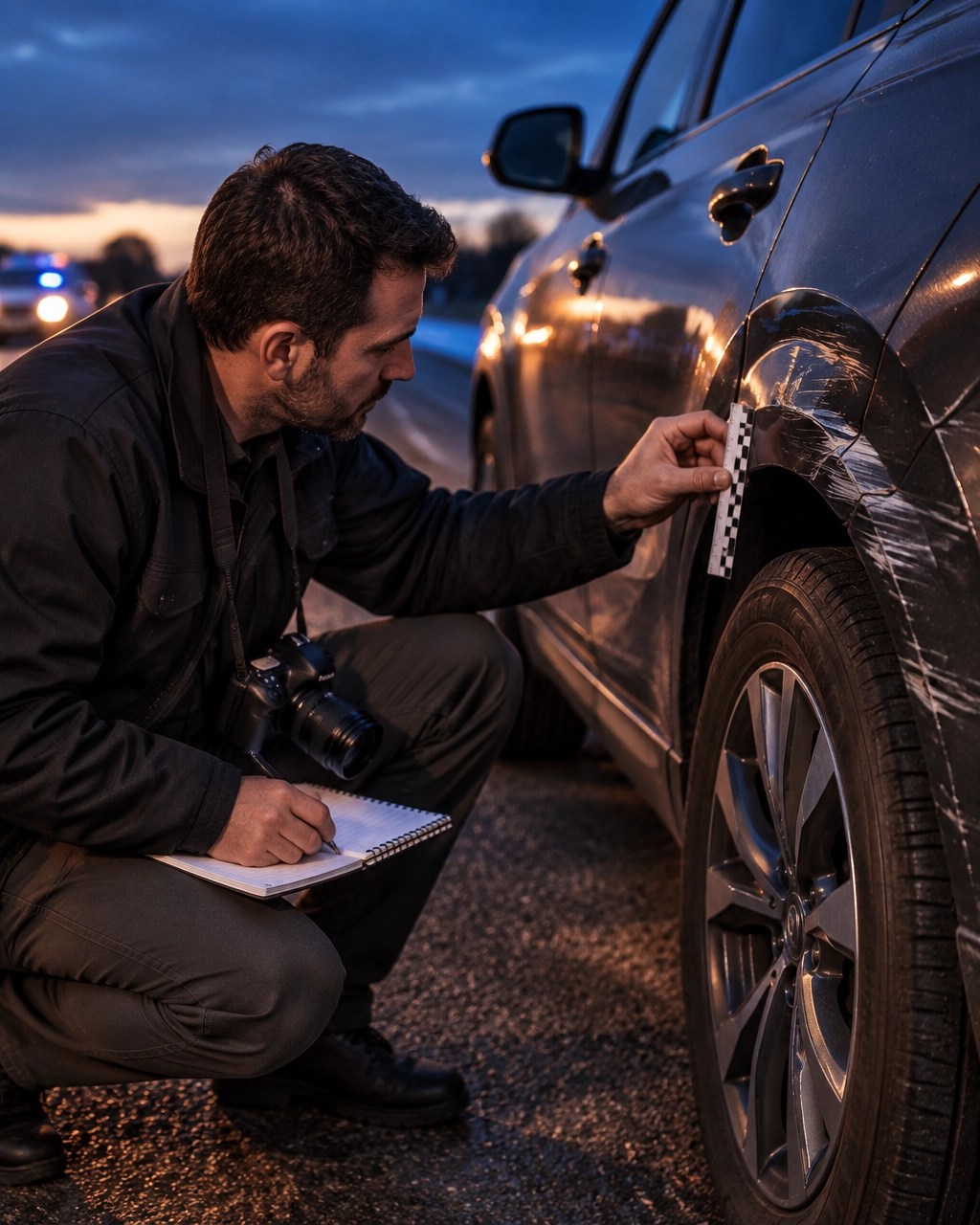
1. Canvassing for Witnesses
Witnesses are often the difference between an unidentified vehicle and an actionable lead.
A private investigator may return to the crash location, identify nearby businesses and residences, speak with potential witnesses, and document what each person observed. That can include:
- Vehicle description
- Direction of travel
- Estimated speed
- Damage location
- Driver description
- Partial license plate information
- Statements made immediately after the crash
- Whether the vehicle stopped, slowed, or accelerated away
Witness memories can fade quickly. A careful, timely interview helps preserve details while they are still fresh.
2. Securing Surveillance and Doorbell Camera Footage
Video evidence is powerful: but it is also temporary.
Many business surveillance systems overwrite footage within days. Some doorbell cameras retain recordings only for a limited period. A camera may capture the vehicle before impact, during the crash, or as it leaves the area.
A private investigator can help identify relevant cameras, request footage from property owners, document the chain of custody, and preserve original files and metadata when available.
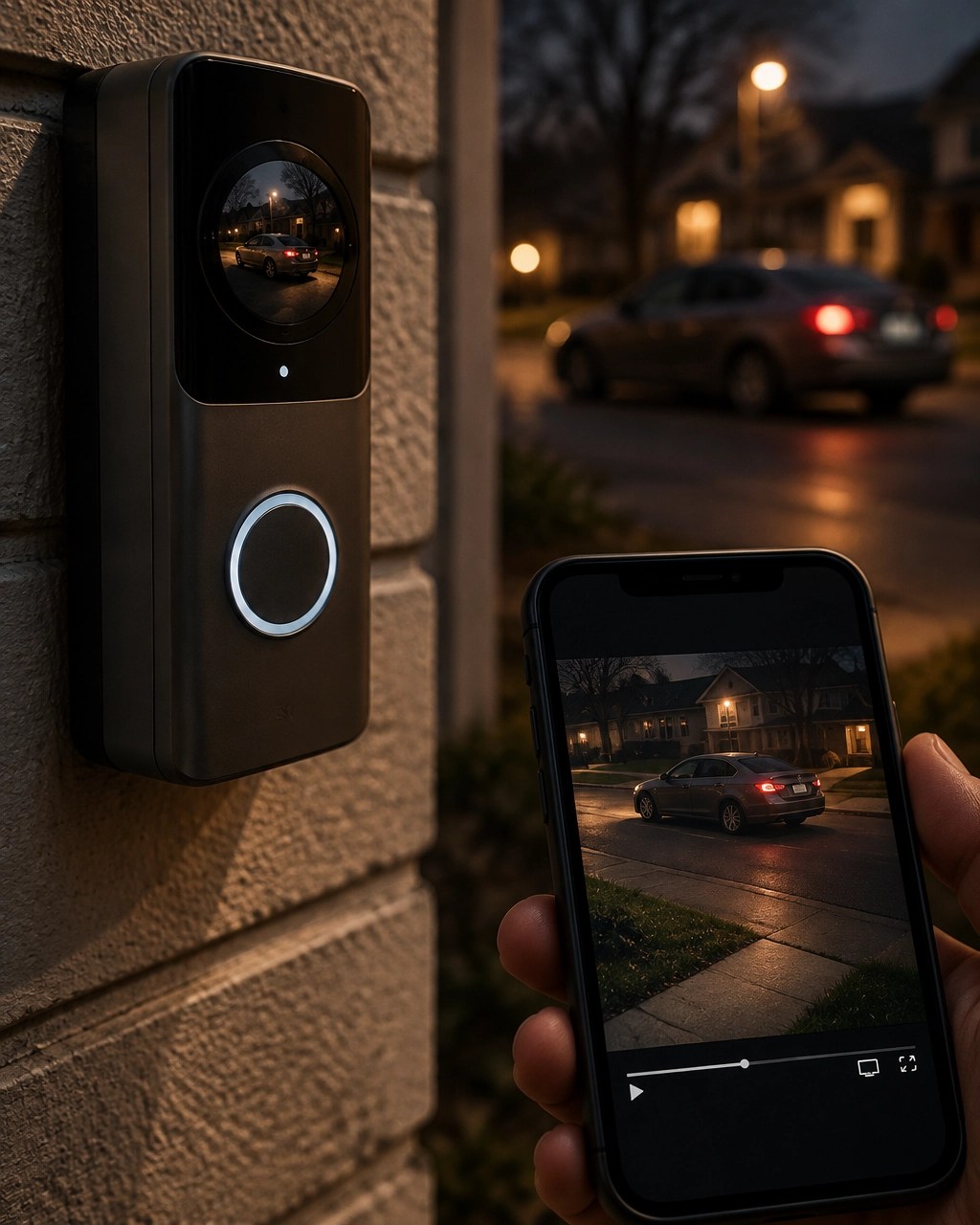
Waiting can be costly. The footage that could have shown the vehicle may be erased before anyone asks for it.
3. Checking Body Shops for Matching Damage
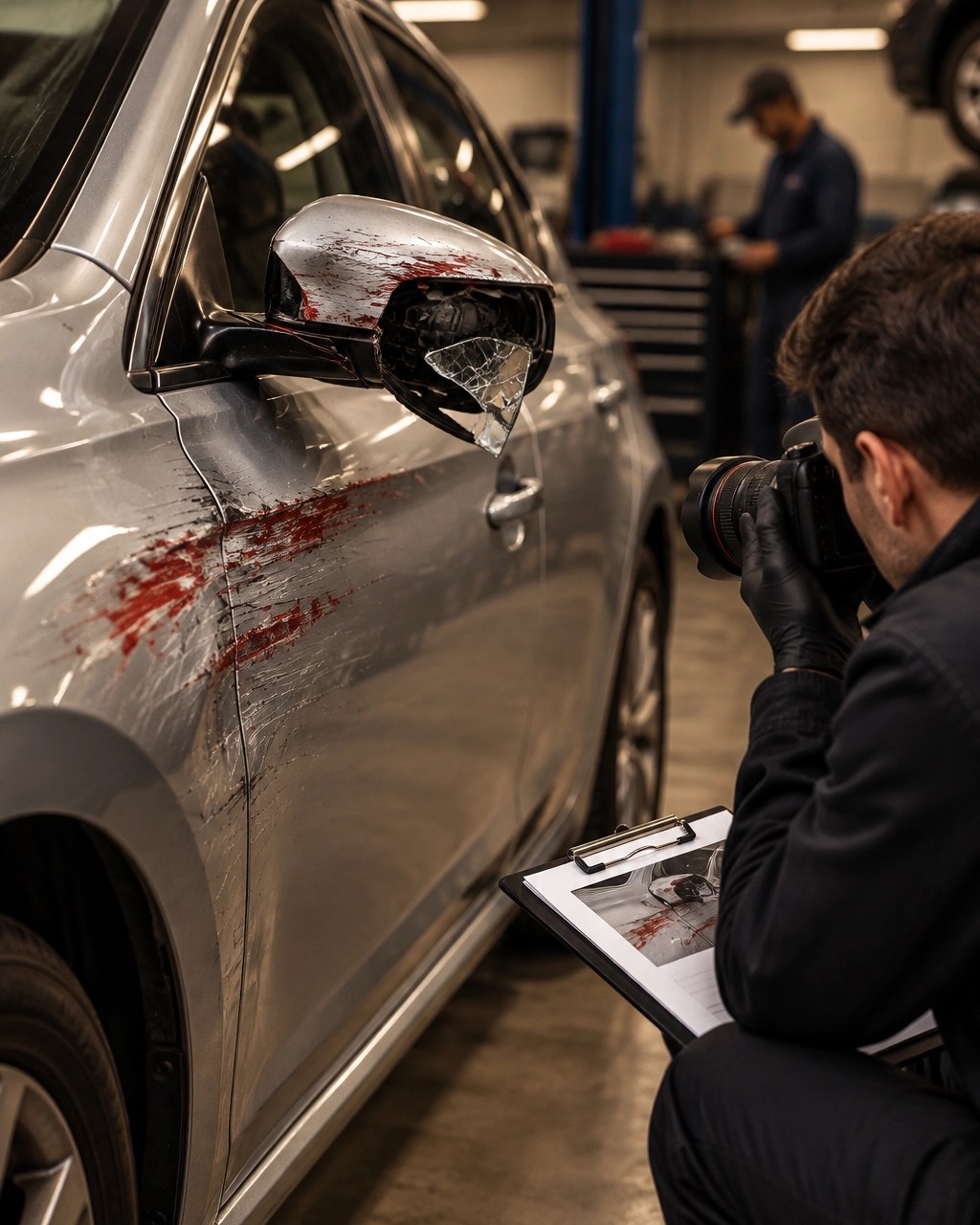
A fleeing vehicle does not disappear without evidence. It may leave behind:
- Broken mirrors
- Paint transfer
- Cracked headlights
- Damaged bumpers
- Scrapes or dents
- Missing trim
- Windshield or body-panel damage
Investigators can work with repair-industry contacts and conduct lawful inquiries at body shops, salvage yards, towing facilities, and other locations where a damaged vehicle may appear.
A vehicle that arrives for repair shortly after a crash: with damage matching the victim’s vehicle: may provide a critical investigative lead.
4. Tracing a Partial License Plate
Victims often remember only a few characters. That information can still matter.
A private investigator may use a partial plate, vehicle description, location, time window, and direction of travel to narrow the possibilities through lawful investigative resources and proprietary databases, where permitted by law.
A partial plate is not proof by itself. It is a starting point that must be corroborated with video, vehicle damage, ownership records, witness statements, and other evidence.
5. Preserving Evidence for Civil or Criminal Proceedings
Finding a possible vehicle is only part of the job. The evidence must also be organized and preserved.
For a civil claim, insurance dispute, or criminal prosecution, investigators may help document:
- Photographs and video
- Witness interviews
- Surveillance footage
- Vehicle and damage comparisons
- Timeline analysis
- Scene conditions
- Communications with property owners and businesses
- Records of when and how evidence was obtained
Proper preservation does not guarantee that every piece of evidence will be admitted in court. Courts apply specific rules, and legal counsel should guide litigation strategy. But careless collection, altered files, undocumented transfers, or delayed action can create avoidable problems.
What You Should Do Immediately After a Hit-and-Run
If you are physically able and it is safe to do so:
- Call 911 and request medical assistance if needed.
- Move to a safe location if possible.
- Do not chase the fleeing vehicle.
- Write down everything you remember, including color, body style, damage, plate characters, stickers, and direction of travel.
- Photograph the scene and your vehicle before moving or repairing anything.
- Ask nearby businesses and residents about cameras.
- Notify your insurance carrier promptly.
- Do not repair or dispose of damaged parts before they are documented.
- Contact an attorney if injuries or significant losses are involved.
- Consider private investigation services quickly, especially if video may be overwritten.
Your safety comes first. Never confront a suspected driver or attempt to conduct your own surveillance in a way that creates additional risk.
Why Timing Matters
The first hours and days after a hit-and-run can determine whether evidence survives.
A camera system may overwrite footage. A witness may move or forget details. A damaged vehicle may be repaired. A vehicle owner may replace a bumper before anyone connects it to the crash.
That is why accident investigations require urgency, discipline, and experience.
At 3 Pillars Consulting, our founder brings extensive law-enforcement and crash-investigation experience, including work as a Maine State Trooper, Florida Highway Patrol Trooper, homicide detective, and traffic fatality investigator. Our approach is grounded in detailed scene documentation, evidence preservation, fact analysis, and coordination with attorneys and other professionals.
We provide private investigation services designed around the facts of each case. We also support attorneys through litigation assistance and case support.
Final Thoughts: Do Not Let the Driver’s Escape End the Investigation
A hit-and-run crash can make you feel powerless. The responsible driver leaves, while you are left to deal with the damage, the pain, the paperwork, and the uncertainty.
But the first police report may not be the final word.
Evidence exists in places people overlook: a doorbell camera, a partial plate, a witness across the street, a body shop invoice, a broken mirror, or a vehicle that suddenly appears with fresh damage.
The longer you wait, the greater the risk that those leads will disappear.
If you or someone you represent has been affected by a hit-and-run crash, contact 3 Pillars Consulting to discuss the circumstances confidentially. We work with victims, families, attorneys, and insurers to pursue facts, preserve evidence, and identify investigative opportunities.
The driver may have fled the scene. That does not mean the truth has to disappear with them.
Sources: AAA Foundation for Traffic Safety research and AAA Foundation 2026 research summary. Statistics and legal consequences may vary by jurisdiction.
Leave a Reply