
As the owner of a private investigation and security consulting agency, the recent assassination attempt on the former President and current Republican nominee serves as a stark reminder of the critical need for comprehensive security measures. While we were fortunate in this instance, the event highlighted significant vulnerabilities that must be addressed immediately.
The Necessity of Enhanced Security Measures
Firstly, it is important to commend the swift action of the Secret Service counter-sniper team in neutralizing the attacker. However, this effective response occurred after the former President had already been targeted, emphasizing a fundamental principle: protection must be preventative, not just reactive.
Addressing Security Gaps
The incident raises several vital questions about current security practices.

The shooter’s position on high ground, within effective range, should have been secured by law enforcement.
The attacker fired multiple shots, one grazing the former President, before being neutralized. This situation necessitates a thorough review of security protocols.
Key areas needing immediate attention include:
- Securing Vantage Points: Ensuring all high-risk vantage points within effective small arms range are occupied or secured.
- Utilizing Aerial Assets: Implementing drones and other aerial assets to identify potential threats.
- Minimizing Exposure: Reducing the time protected personnel remain exposed with only body cover.
- Enhancing Protective Measures: Using additional protective equipment, such as ballistic shields, to enhance protection.
- Improving Evacuation Procedures: Refining procedures for evacuating protected personnel from high-risk areas to more secure locations.
- Coordinating Protective Efforts: Enhancing the formation and coordination of protective agents and law enforcement during evacuations.
- Reducing Vehicle Exposure: Minimizing the exposure time of evacuation vehicles and protected personnel during transitions.
The Importance of Proactive Measures
Despite the rapid response to cover the former president, the evacuation process demonstrated significant flaws.
Reports reveal that the shooter was seen in an elevated position minutes before the attack. Despite attendees alerting law enforcement to the suspicious individual, the assailant was still able to carry out the attack.
The former President was left on stage with only Secret Service personnel covering him for over a minute. The evacuation was conducted with a messy at best protective formation and the former President was allowed to break cover.
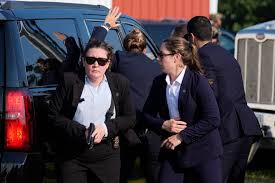
Video of Agents fumbling with their weapon, unholstering and holstering while the former President is placed into his vehicle.
The open vehicle door for an extended period exposed the former President and Agents to additional risks. Furthermore, the lack of a cohesive protective formation during the move to the vehicle left the former President vulnerable.
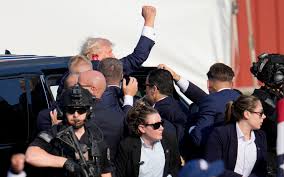
Coordination and Command Control
The counter-sniper team’s inability to hold the suspect and allow for further investigation highlights the need for better coordination and command control.
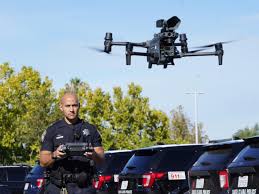
Utilizing drones for rapid threat identification and disruption could have mitigated the situation more effectively.
Conclusion
This incident underscores the necessity for thorough preparation and proactive measures in security planning. The deficiencies exposed demand immediate action. Moving forward, we must prioritize enhancing our preventative strategies and ensuring a more coordinated and effective response to any threats. Relying on luck is not a viable security strategy; it is imperative that we elevate our standards and practices now to safeguard against future risks.
 3 PILLARS CONSULTING LLC
Leave a comment